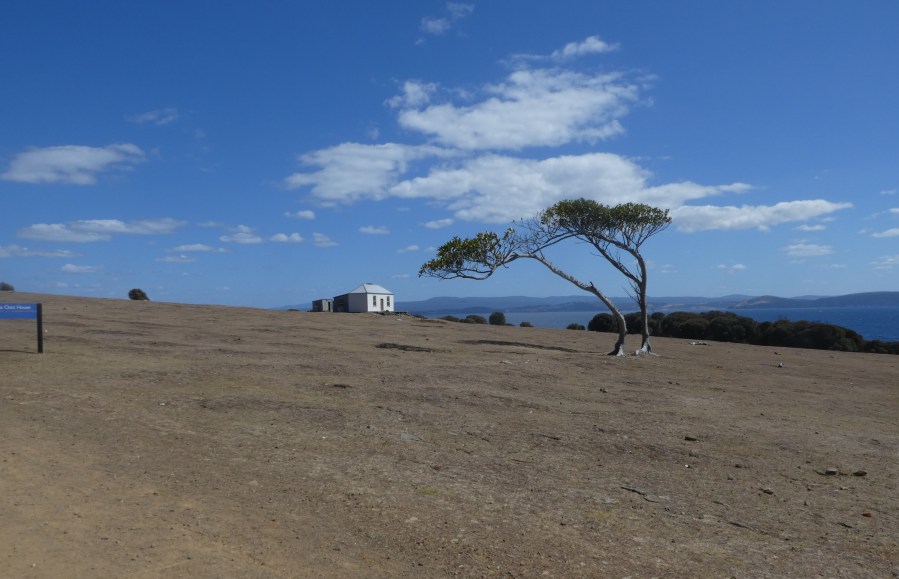
The next morning, I left my bit of luxury at St. Helens, and headed south along the coast.
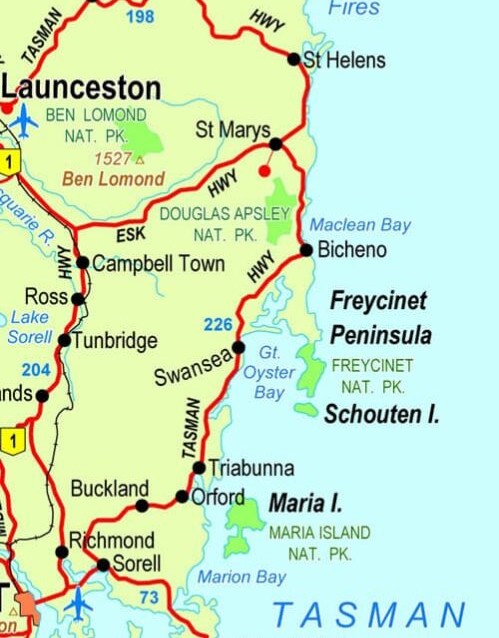
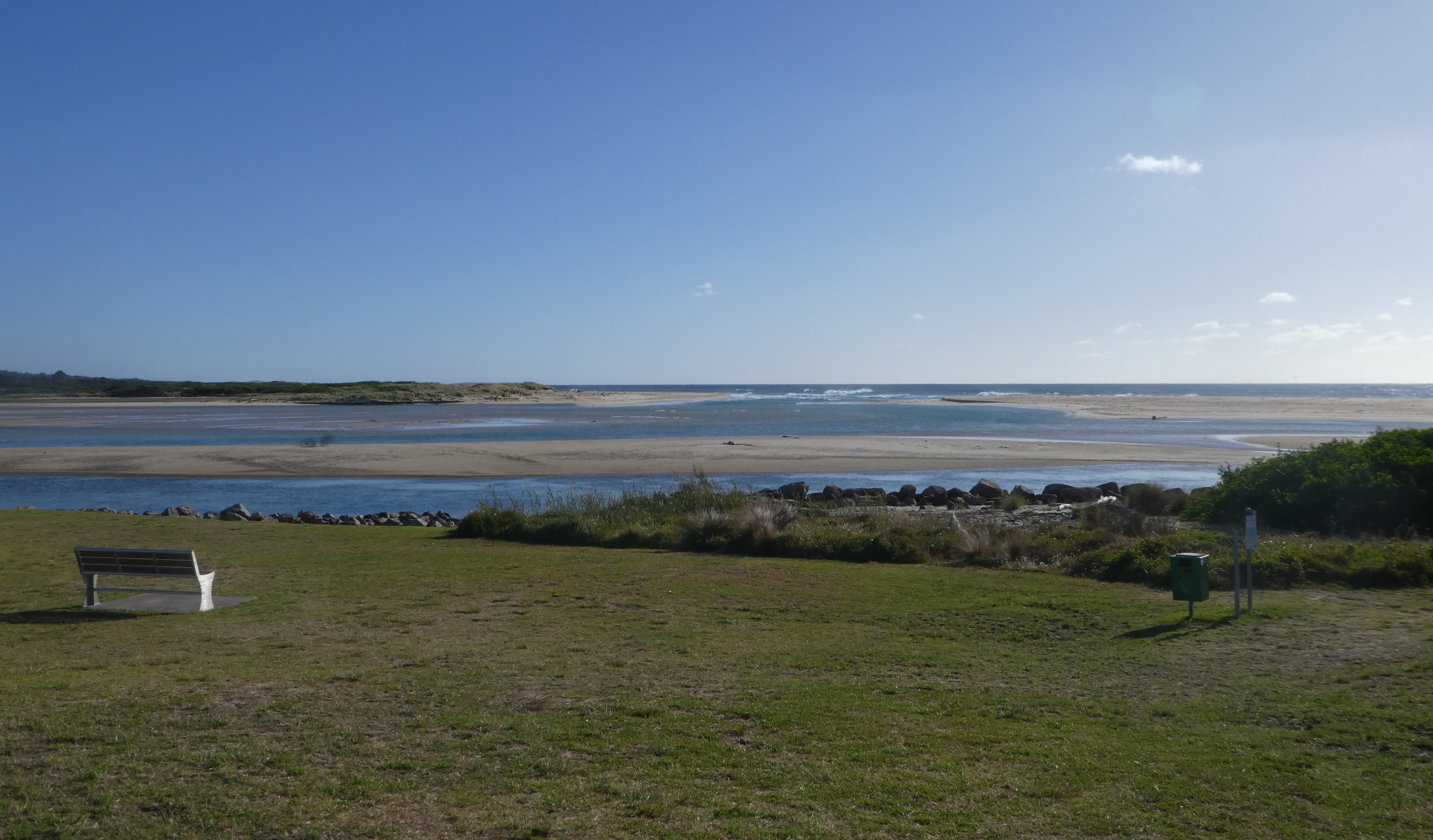


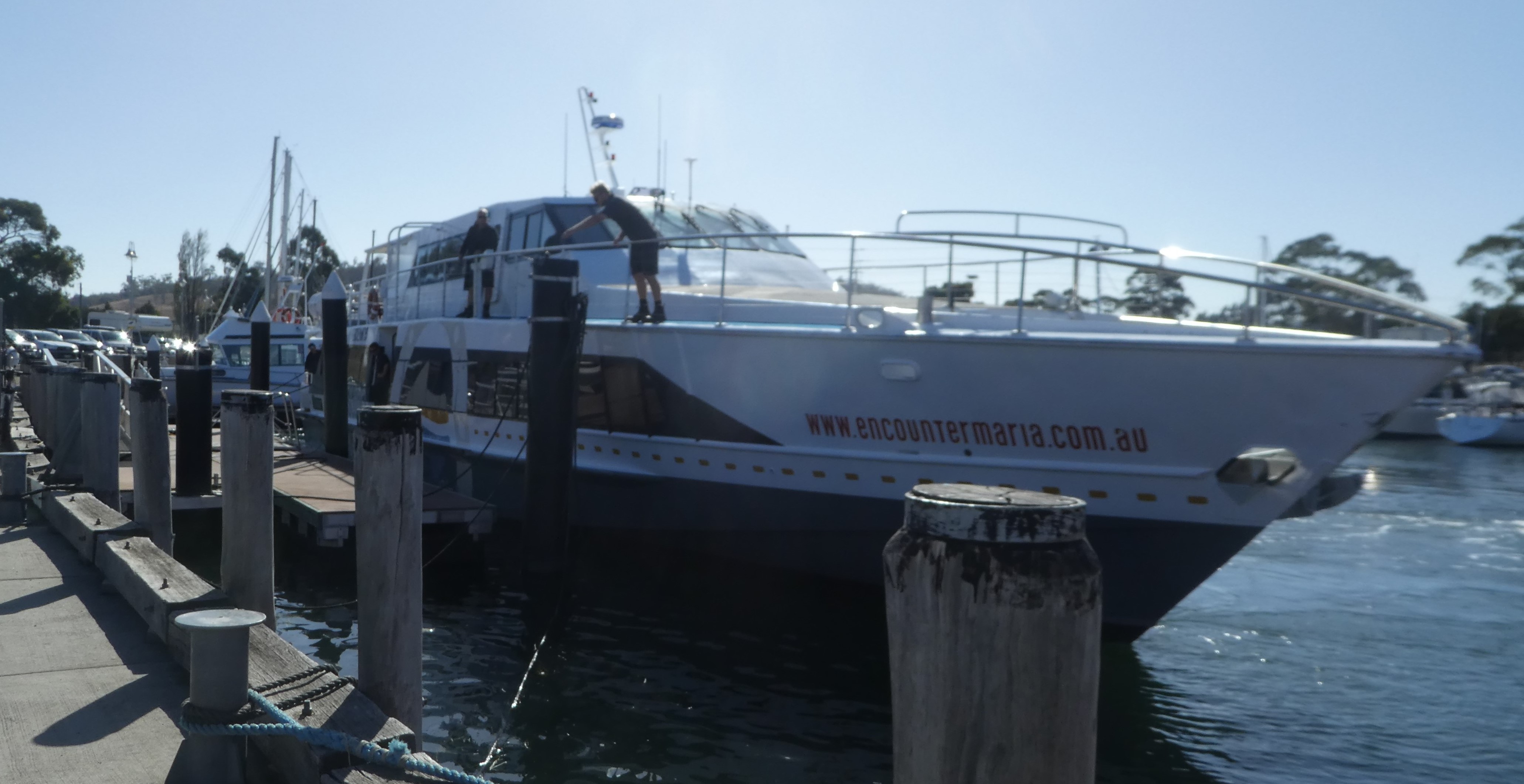
I had booked what turned out to be a cute little room attached to the Orford Hotel, just 7 kilometres south of Triabunna, from where, next morning, I would catch the ferry out to Maria Island.


…
During the 80 years between 1797 and 1868, some 160,000 men, women and children were transported to Australia as convicts. This mass shift of population or ‘forced migration’ was part of a a global phenomenon associated with the punishment of crime, in this instance, controlled by the British Government. British transportation to Australia was also the world’s first conscious attempt to build a new society on the labour of convicted prisoners.
Problems arose with the Assignment system, in which many of the convicts worked for free settlers, and eventually the government settled on the idea of Probation Stations, where the convicts lived together and worked on government projects.
Maria Island’s Darlington Probation Station is recognised as the best example of a convict probation station in Australia. At its peak, it housed up to 500 convicts.
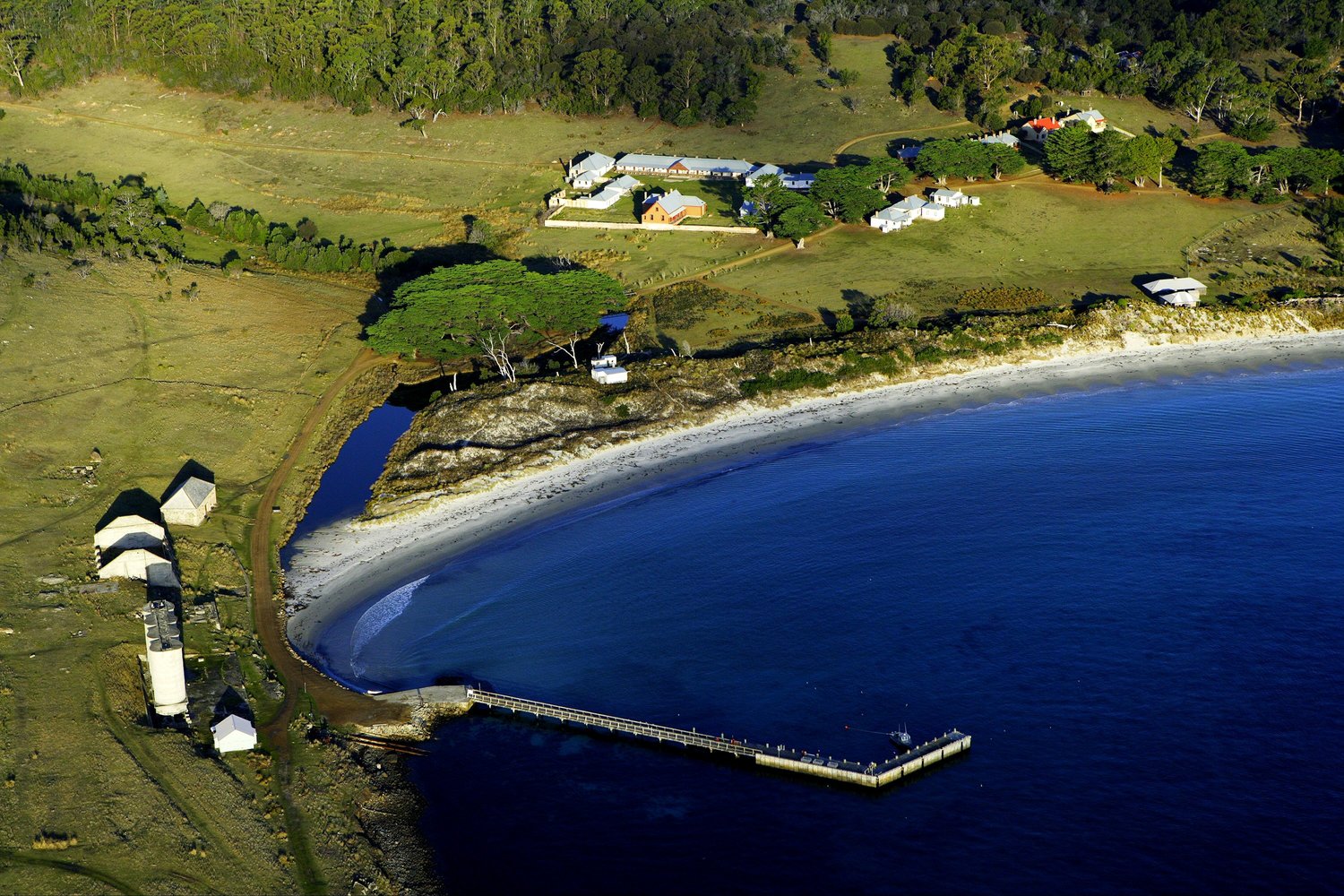


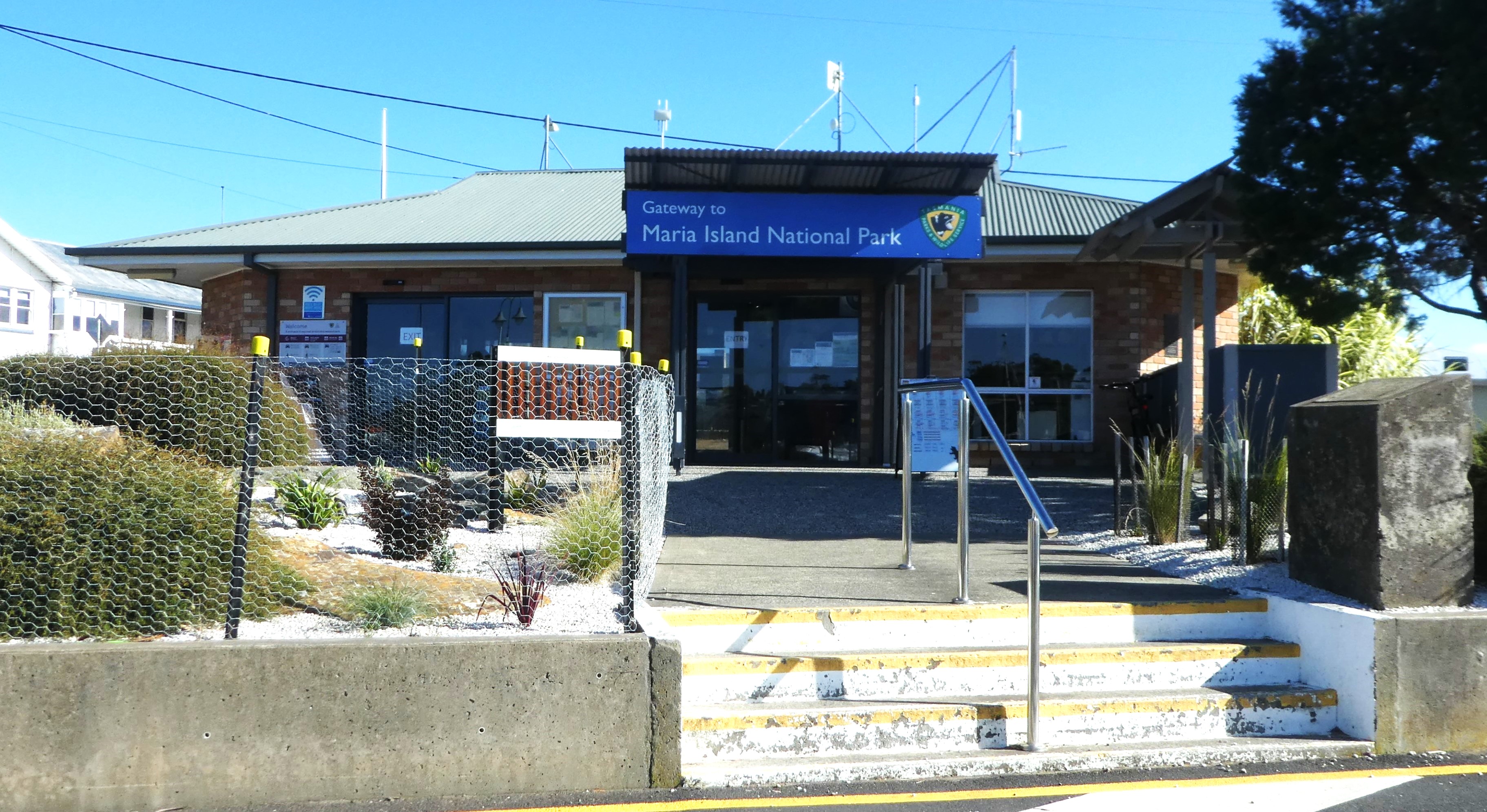
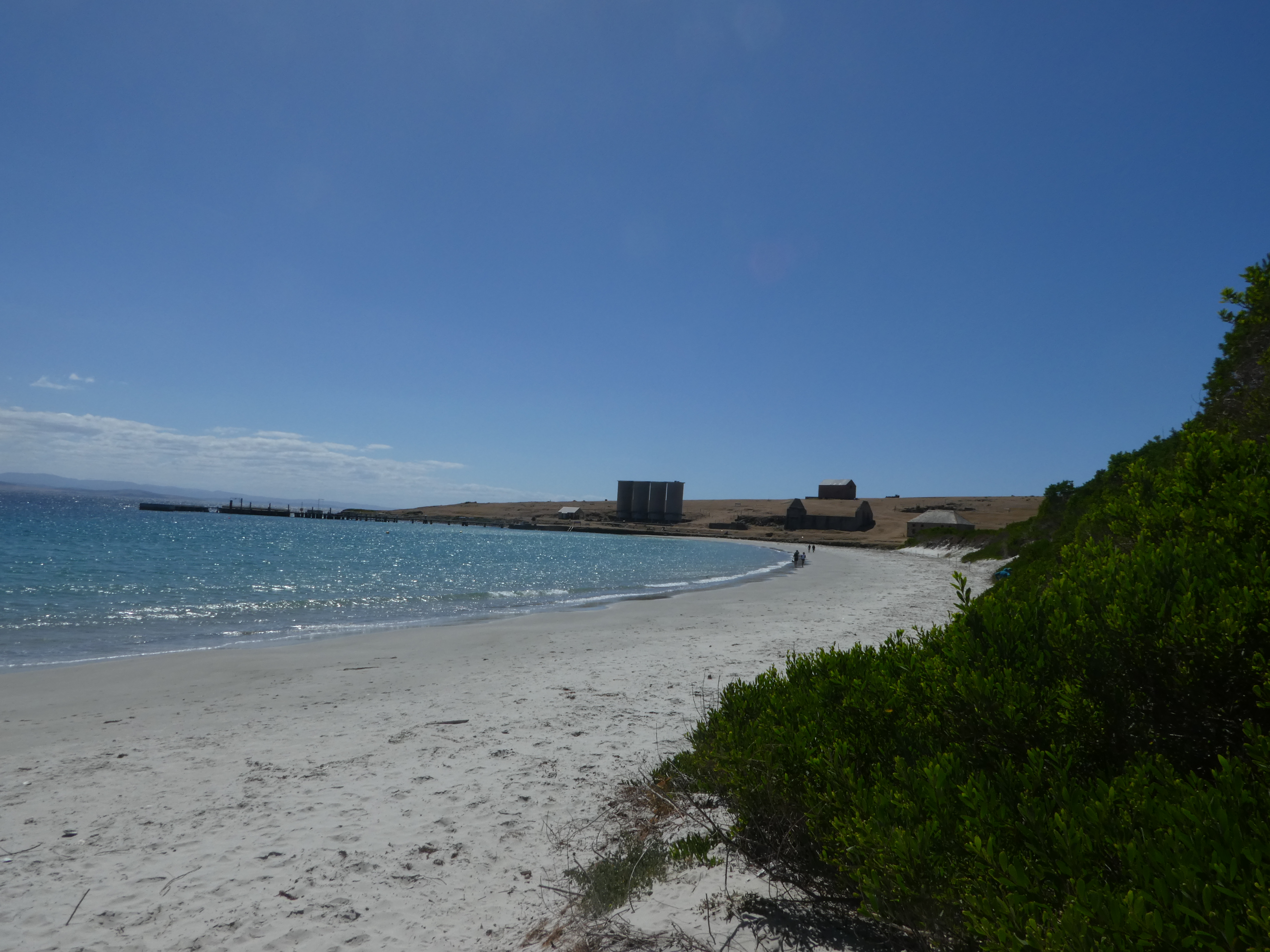
The stone Commissariat Store, built in 1825, is the oldest building on the island. It served as the central storage and distribution point for supplies and was positioned closest to the jetty for the easy transport of goods from boats. It now houses the Visitor Centre.

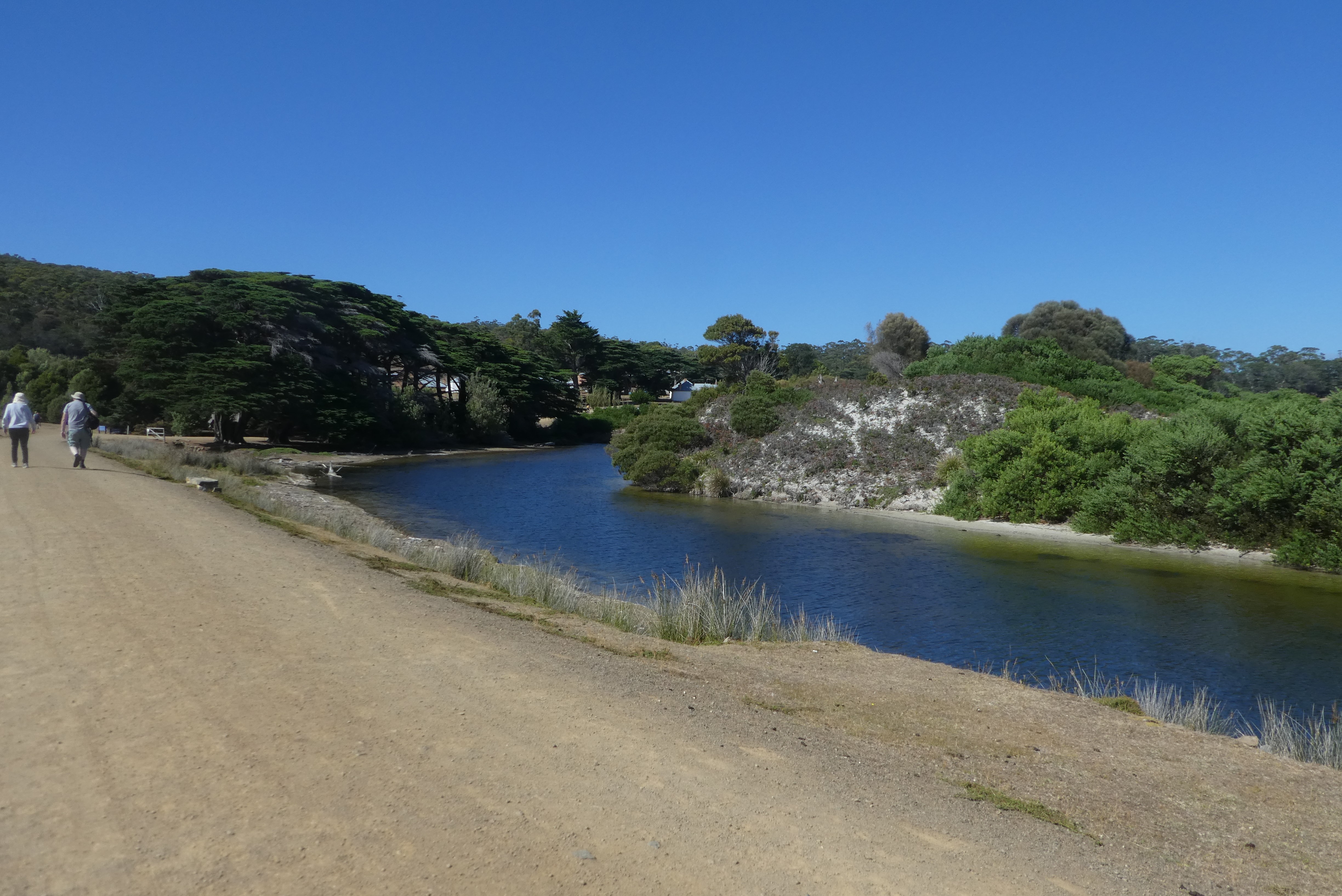
It’s a nice walk along the river to the settlement, though very bare. They must have cleared all the trees around the working areas.

Darlington was originally a penal settlement but there were so many escapes that in 1832 it was abandoned in favour of Port Arthur. It opened again as a probation station and ran from 1842 to 1850. Many of the original buildings have now gone but I still got a good feel of the place, painted and tidied up, needless to say, and the signage and descriptions of the history are terrific.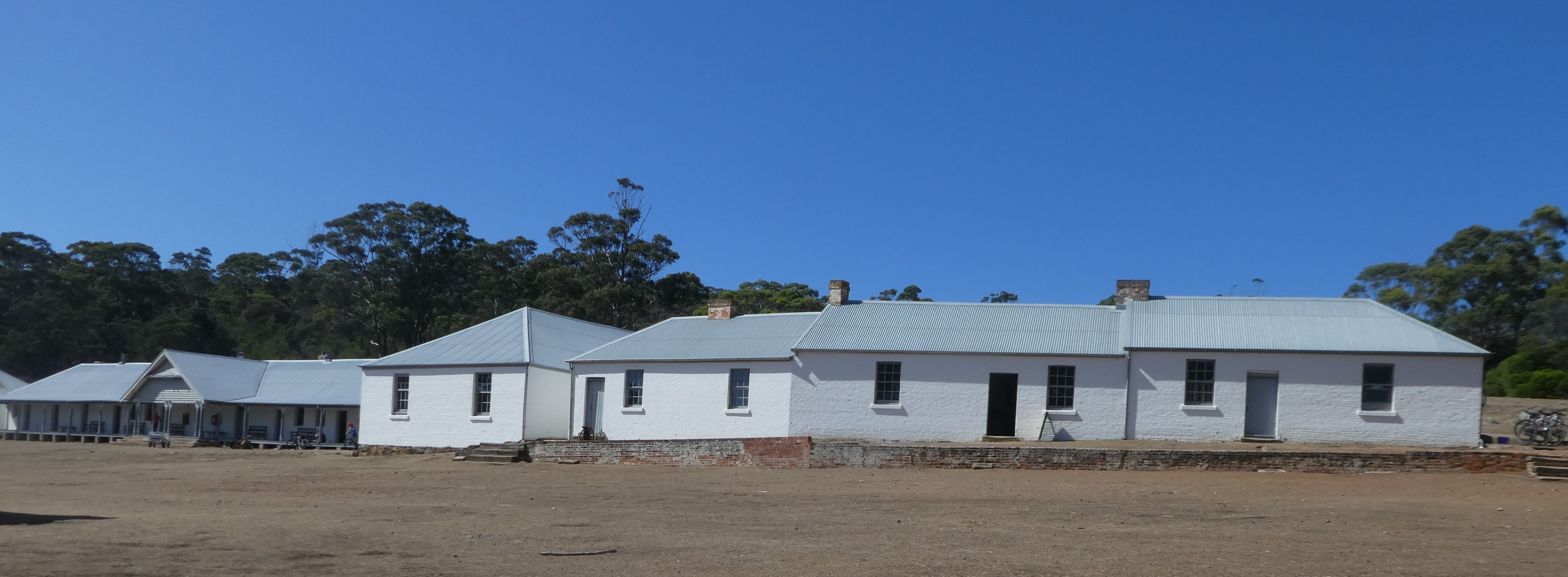

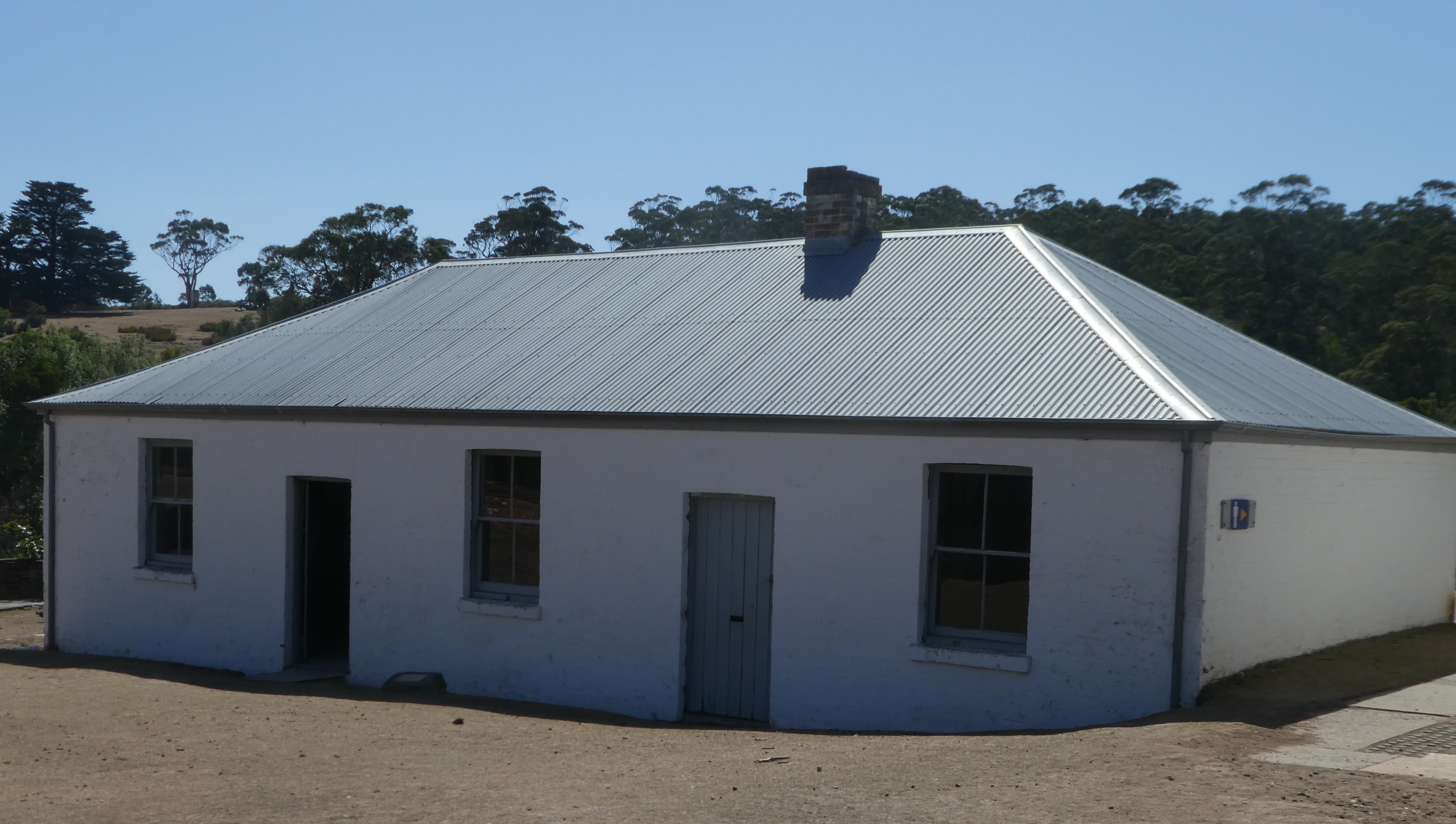
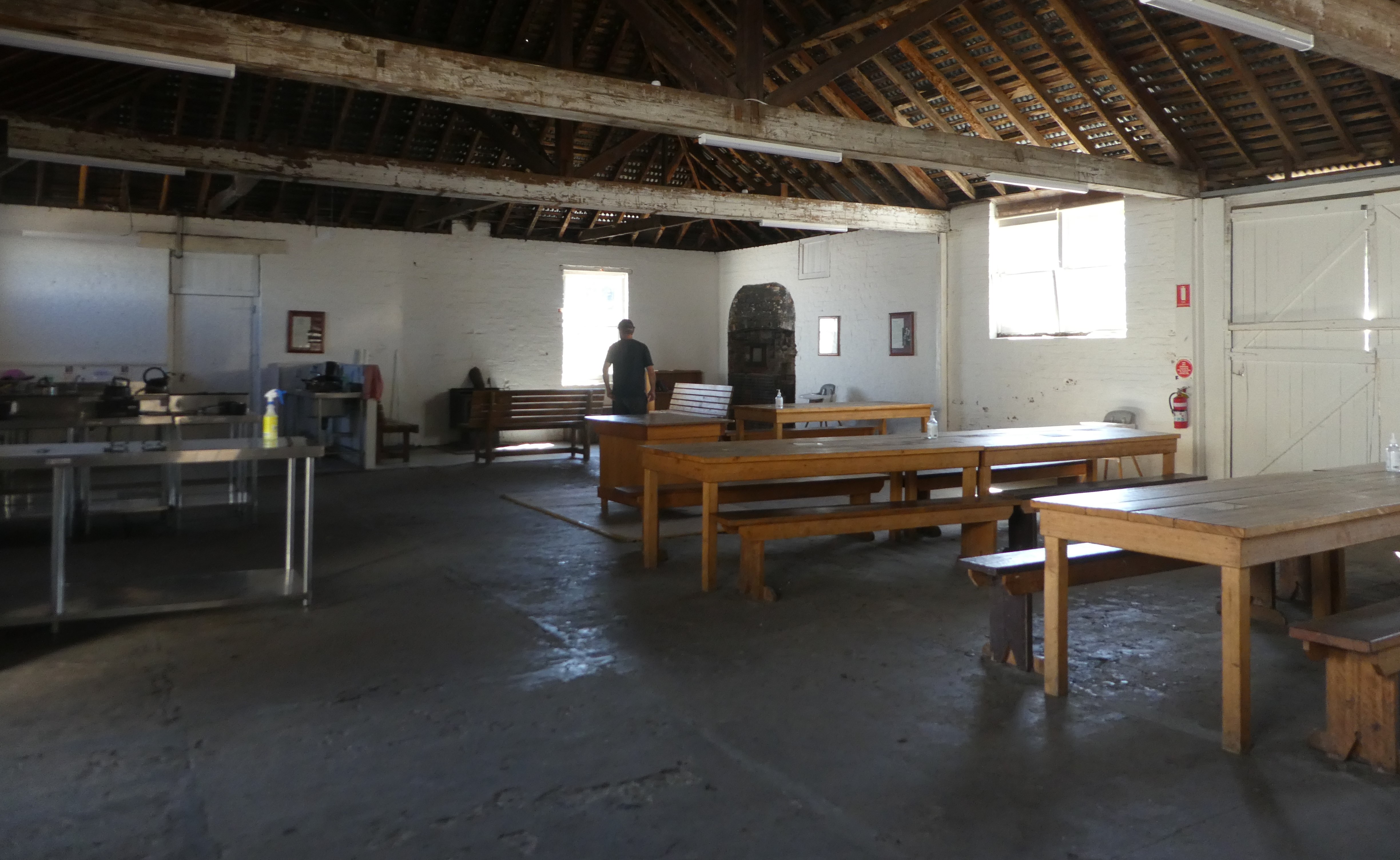
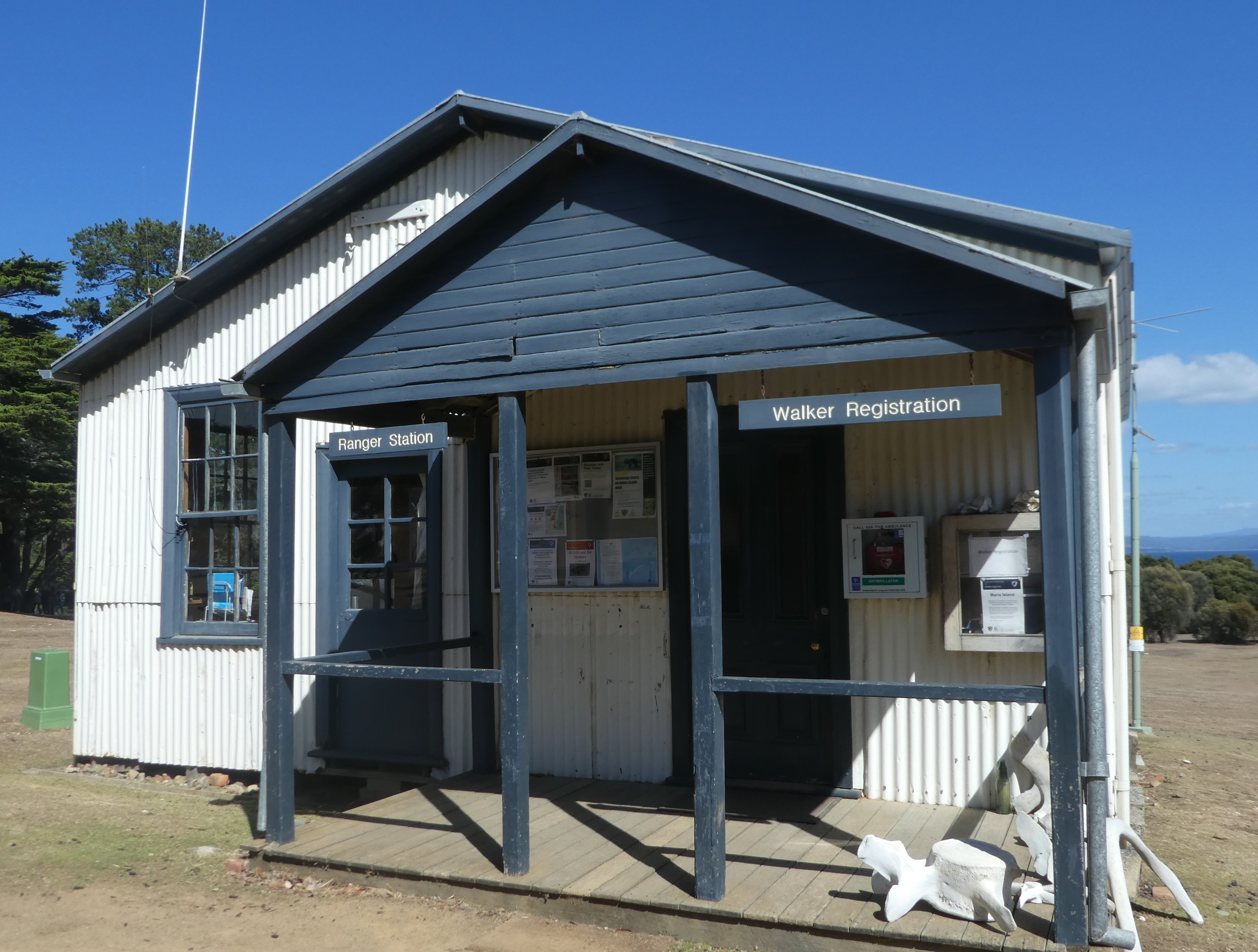
After the closing of Darlington, colourful Italian entrepreneur, Diego Bernacchi secured a long-term lease of the island, and in 1884 set up a cement works to utilise the island’s limestone deposits, along with housing and the planting of vines.
The Coffee Palace and Boarding House was once the hub of activity. It was built by Diego in 1888. Very elegant. I’d have stayed there.


Diego also built these lovely terraces. I’d have stayed here as well.

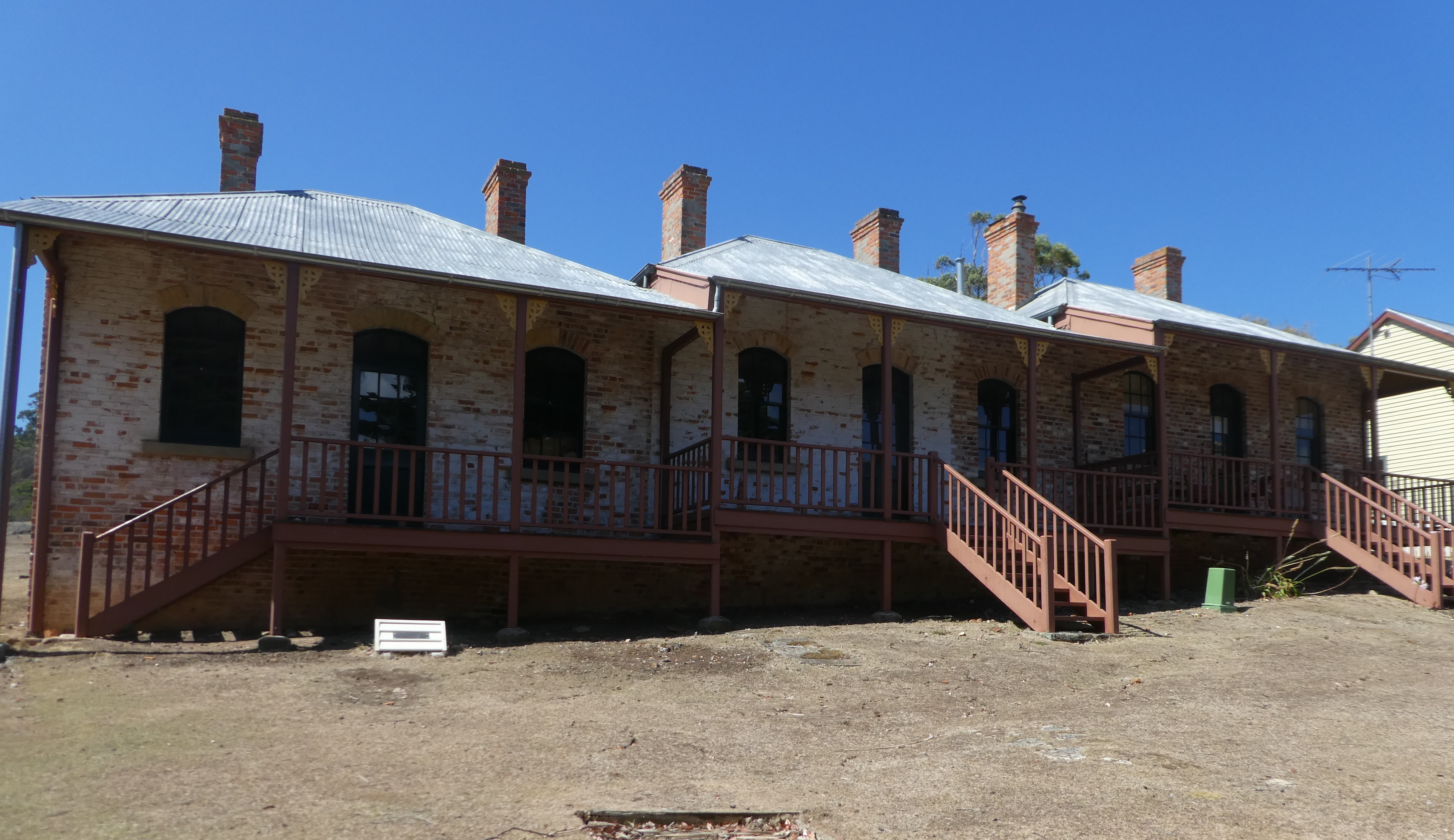
Diego’s businesses didn’t thrive. He eventually moved away and Maria Island became home to a small farming and fishing community. Shearing sheds, pens and old fences remain as evidence of that era of the island’s history. The first moves were made towards forming a fauna reserve in the early 1960s, and Maria was officially declared a national park in 1971.
…
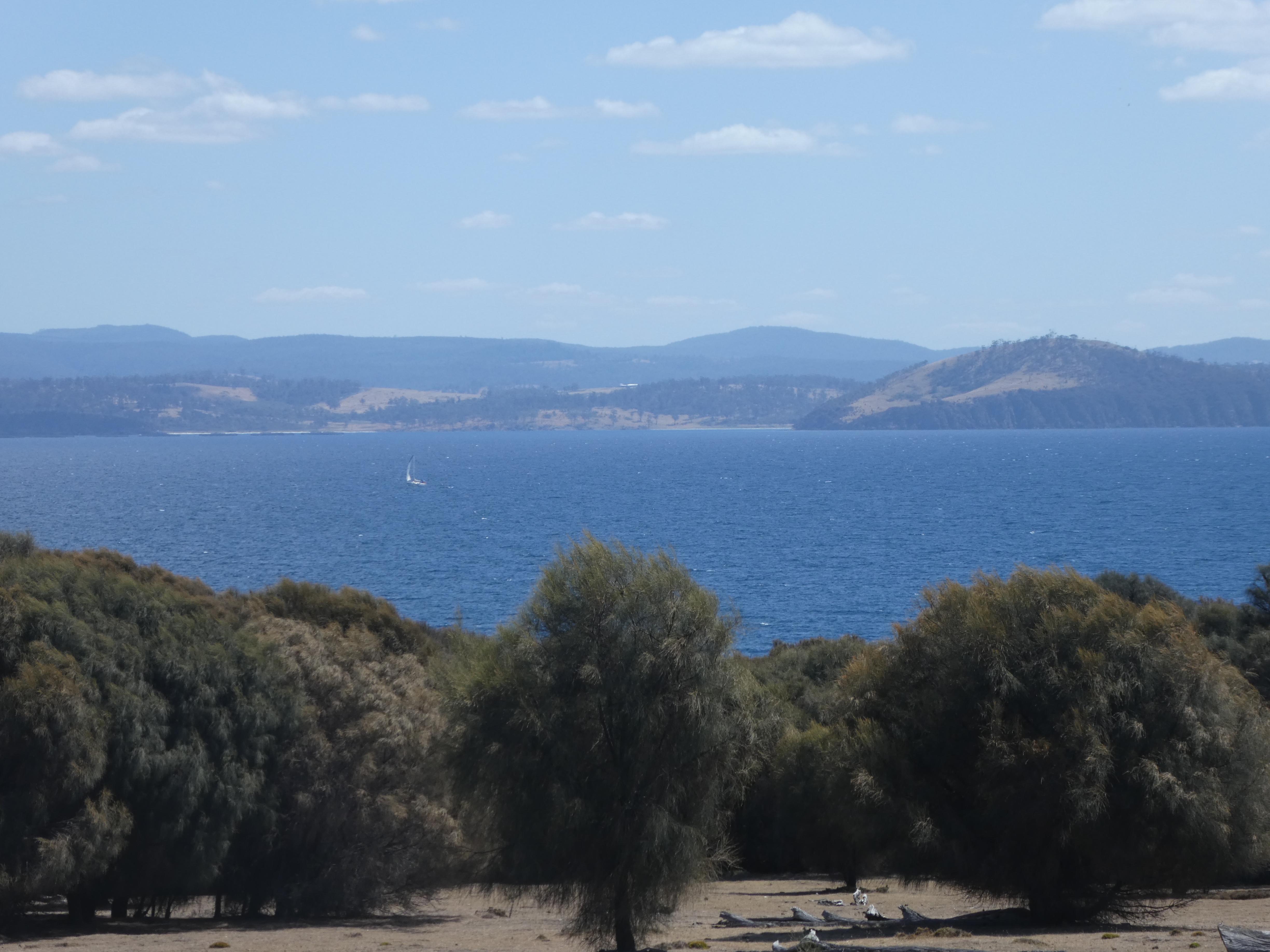
The island is 20 kilometres long and 13 wide, with spectacular cliffs of sandstone and limestone, clean white beaches, and a wide diversity of flora and wildlife. By the time I’d had my fill of history, I set out to look around. It didn’t take me long to realise that without riding a bike, something I hadn’t done since childhood, I wasn’t going to get far. Disappointing, because the only wildlife near the settlement was the odd wombat. Not that I’m complaining; you can’t get anything cuter than a baby wombat.


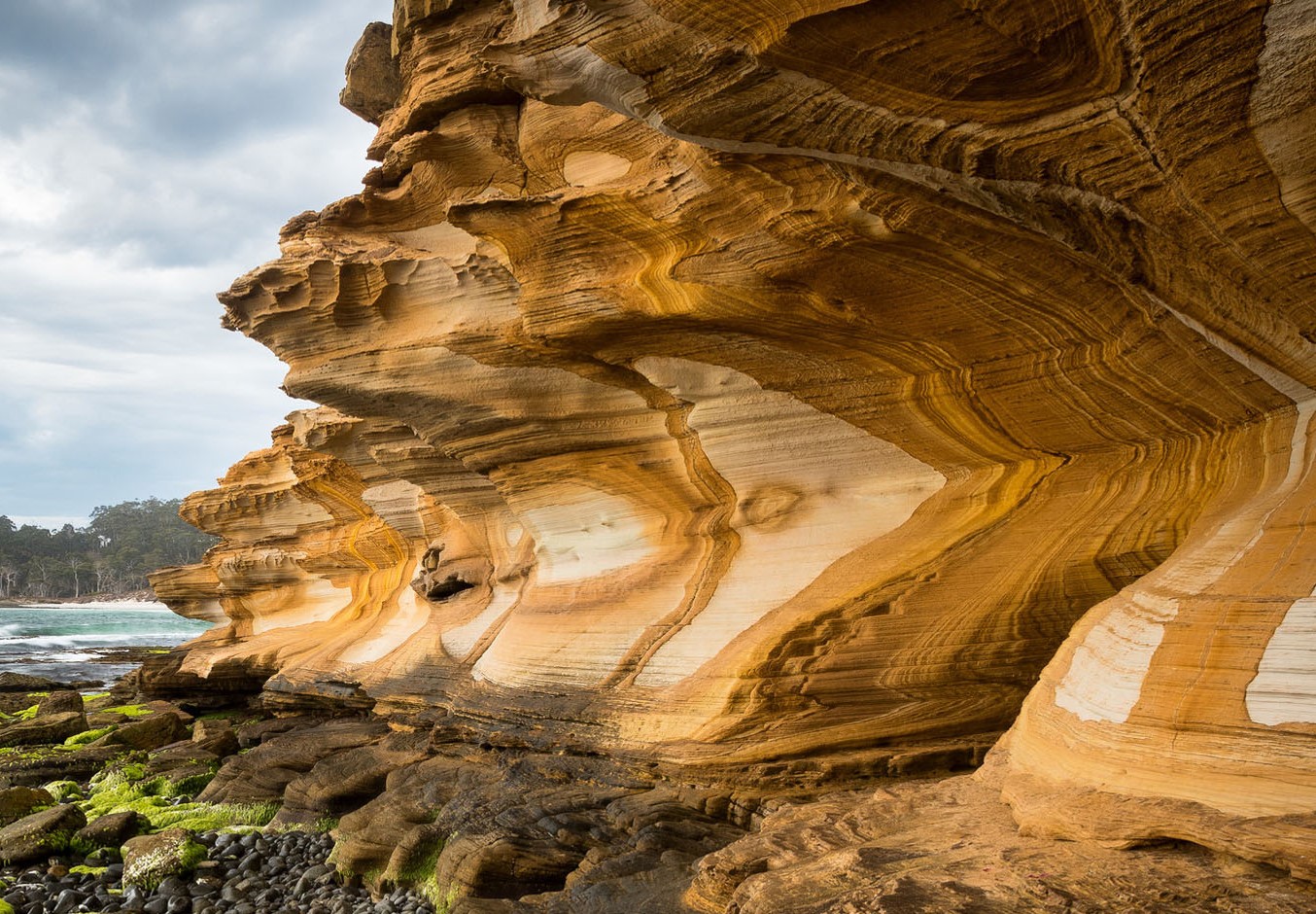
Having come to Maria, I wanted also to see the famous Painted Cliffs. I hadn’t realised, though I suppose I could have checked in advance, that they can only be accessed from the beach and the tide has to be out. It was in. I reminded myself of what I regularly discover when travelling. You can plan to the nth degree but then you have let go and just see what happens.
Maybe I could come back, and this time give the history a miss and head out on foot to discover the promised wildlife and landscapes. I could. It’s so easy to come to Tassie – just drive onto the Bass Strait Ferry and off again and you’re on your way. Also, Maria is cheap to visit, compared with other tourist attractions. Yep, I’ll do it.


An amazing looking spot we’re yet to visit, love the wombats too.
LikeLiked by 1 person
The little wombat was skipping around as if we didn’t exist, Glenys. So gorgeous. You’re not allowed within 2 metres of them so they’re totally relaxed.
LikeLiked by 1 person
Hi Coral,
It was interesting to read: During the 80 years between 1797 and 1868, some 160,000 men, women and children were transported to Australia as convicts. This mass shift of population or ‘forced migration’ was part of a a global phenomenon associated with the punishment of crime, in this instance, controlled by the British Government.
Today, the British Government is sending unwanted illegal migrants to Rwanda. Same old mentality give the problem to someone else!
Richard
LikeLiked by 1 person
Interesting, Richard, and so sad.
LikeLike
This looked like a lovely trip Coral full of handsome landscapes and plenty of history to boot. The morning coffee view is sumptuous and has me missing the sea. I am impressed with the wombat sightings having never seen one myself in the flesh.
LikeLike
Thanks, Leighton.
LikeLiked by 1 person
Oh, I just realised, your blog is not ‘Planning to the North’, but planning to the nth, silly me. Makes sense really.
It’s quite an accomplishment to build all those buildings with no infrastructure at all. The settlement failed really, they would have thought it might end up being a large town.
LikeLiked by 1 person
Transportation of convicts ended not long after that, other than in WA, so most probation stations faded away. It’s a bit wild a place for the development of a big town but it’s a terrific tourism spot. And there’re facilities for camping, as well. Thanks for reading.
LikeLiked by 1 person
It sort of looks like it has the feel of a Northern English/Scottish seascape, maybe they thought it might last. But in the end, it’s all about economics, and if there isn’t enough of that going on then it won’t make it. Sounds like the Italian guy certainly tried!
LikeLiked by 1 person
Looks like a great place to return to. Those painted cliffs do look amazing. Would you need to go out on a boat to get a good view? And I love the wombats!!
LikeLike
Hi, Darlene. Don’t know about going out in a boat to see the Painted Cliffs. No-one offers it that I know of, but you can get a good view from the beach as long as the tide is out. I’ll have to put a bit more research in next time I go.
LikeLiked by 1 person